
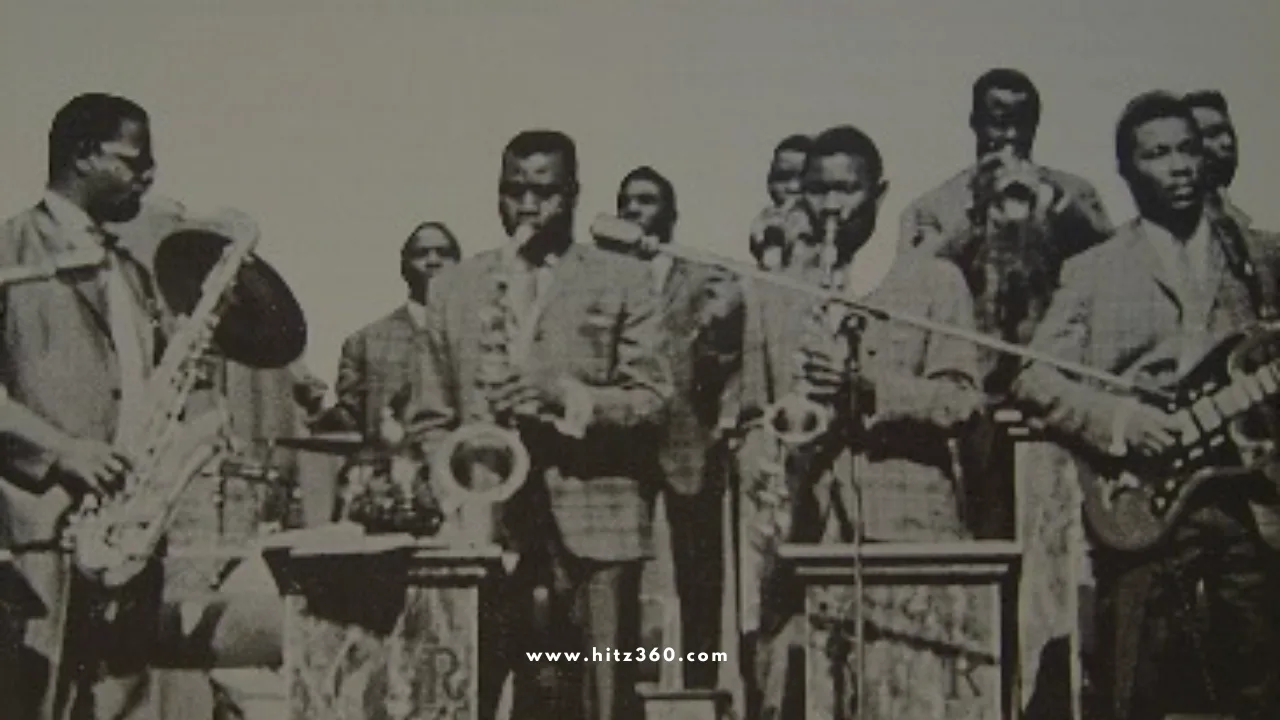

Every rhythm has a beginning. Long before digital studios and glossy music videos, Ghana’s sound was born from hands that worked strings, blew horns, and sang truth into the night. What the world now calls Highlife did not appear out of thin air; it grew from human stories, colonial contradictions, and the hunger of a people to define beauty on their own terms.
In the early decades of the twentieth century, long before radio made its way into every home, local brass bands were already reshaping the pulse of the Gold Coast. Soldiers returning from the First World War brought home instruments, and ordinary men began to interpret European marches with African rhythm. Out of that clash of cultures came a language of music that was neither European nor purely African—it was something proudly in between, something Ghanaian.
The early architects of this sound did not only entertain; they documented the nation’s becoming. They used guitar strings to narrate migration, trumpets to express hope, and Akan proverbs to remind a changing people of who they were. They played in bars, cocoa sheds, and seaside clubs, yet their influence would travel beyond the Gulf of Guinea, shaping the sound of a continent.
The Architects : Highlife Music Pioneers
These are the stories of the men who first gave Highlife its form—those whose music turned hardship into harmony and who carried the heartbeat of Ghana before independence had a name.
Jacob Sam (Kwame Asare) : The Man Who Gave the Guitar a Ghanaian Voice
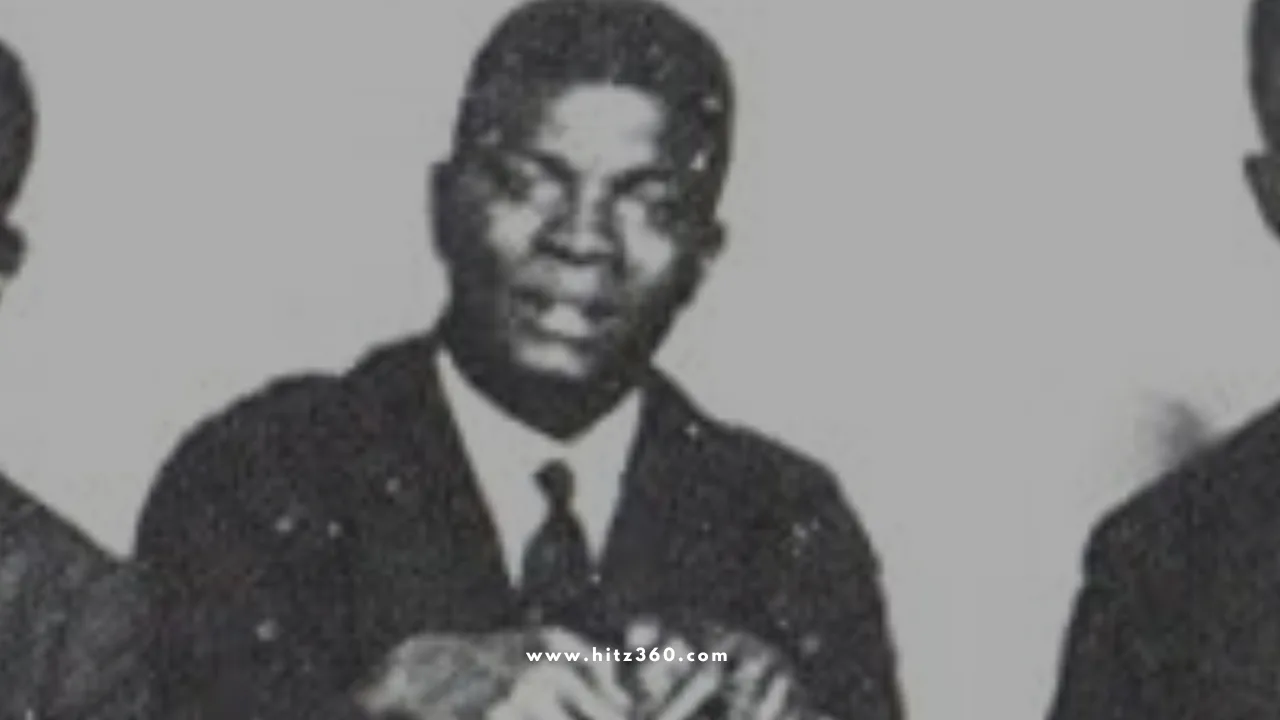
Every story of Highlife begins with one name—Jacob Sam, also known as Kwame Asare. He was a singer, guitarist, and bandleader from Cape Coast, and he is remembered as the first Ghanaian to ever record Highlife music. His recordings in 1928 under the Zonophone label are among the oldest known sound documents from Ghana.
Jacob Sam’s roots were in the Fante coast, a place where sailors, merchants, and returning soldiers mingled, each carrying new rhythms and instruments. He learned the Spanish guitar, an instrument introduced by seamen and merchants, and blended its sound with local palmwine tunes and Akan folk melodies. His genius was in the way he tuned the guitar to mimic African drumming patterns, creating a rhythm that could dance and speak at the same time.
His band, the Sam’s Trio, is legendary in Highlife history. Together with Kwah Kanta and H.W. Kwesi Brown, they shaped what became known as the Palmwine Highlife style. Their most famous song, “Yaa Amponsah,” recorded in 1928, became the spiritual foundation of modern Highlife. It was more than a song—it was a blueprint. Every guitarist after him, from E.T. Mensah’s era to Nana Ampadu’s, built from that same rhythm.
Jacob Sam’s music carried the voice of ordinary people. His lyrics told stories about work, migration, love, and daily struggle. He turned life into melody, proving that local stories could be beautiful enough for the world to hear. Though he never lived to see Highlife take its modern form, his sound opened the door. Every guitar that sang after him owed something to his touch.
Today, when a guitarist plays Yaa Amponsah at a funeral or a palmwine gathering, they are unknowingly honoring Jacob Sam—the man who first taught the guitar to speak Fante.
E.T. Mensah : The King of Danceband Highlife
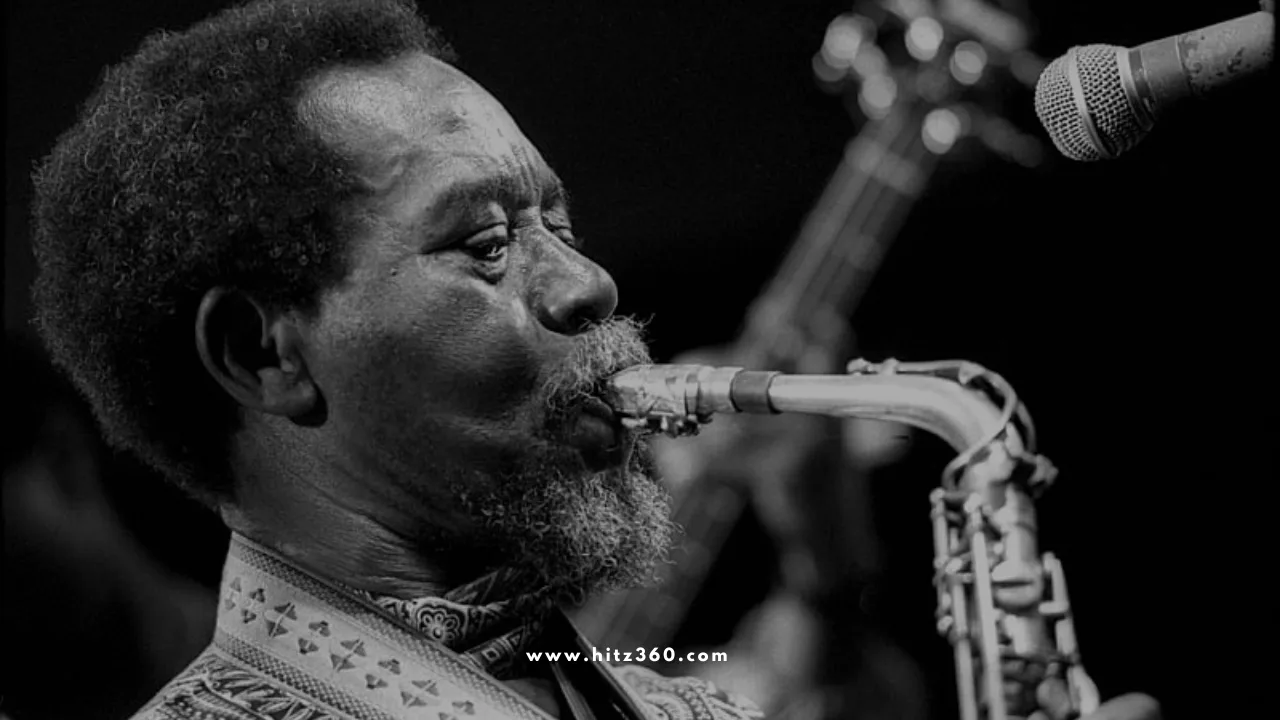
If Jacob Sam gave Highlife its first voice, E.T. Mensah gave it its crown. Born in Accra in 1919, Emmanuel Tettey Mensah became the symbol of Ghana’s postcolonial sound. He was not just a musician; he was the face of modern Ghana during the years of independence.
Trained as a saxophonist and trumpeter, Mensah founded The Tempos Band in the 1940s. His band mixed swing, calypso, and jazz with Ghanaian rhythm, creating what was called Danceband Highlife—a smoother, polished version of the palmwine style. His songs played in hotels, nightclubs, and government events. In that era, if Highlife was heard on the radio, chances were it was E.T. Mensah.
His best-known tracks—“All for You,” “Day by Day,” “School Girl,” and “Ghana Freedom Highlife”—celebrated the optimism of a young nation. When Ghana gained independence in 1957, his band performed at the celebration. Mensah’s sound became the soundtrack of national pride, echoing the joy of liberation across the continent.
Beyond Ghana, he influenced musicians from Nigeria, Sierra Leone, and Liberia. Even Nigerian stars like Victor Olaiya and Bobby Benson looked up to him. His tours across West Africa turned Highlife into a regional force.
Mensah’s music was clean, hopeful, and filled with discipline. His horn sections were tight, his melodies simple yet rich. He proved that Highlife could compete with jazz or calypso while keeping its Ghanaian soul. To this day, many call him “The King of Highlife”—not for ego, but for what he built: unity through rhythm.
King Bruce: The Gentleman Who Brought Order to the Band Sound
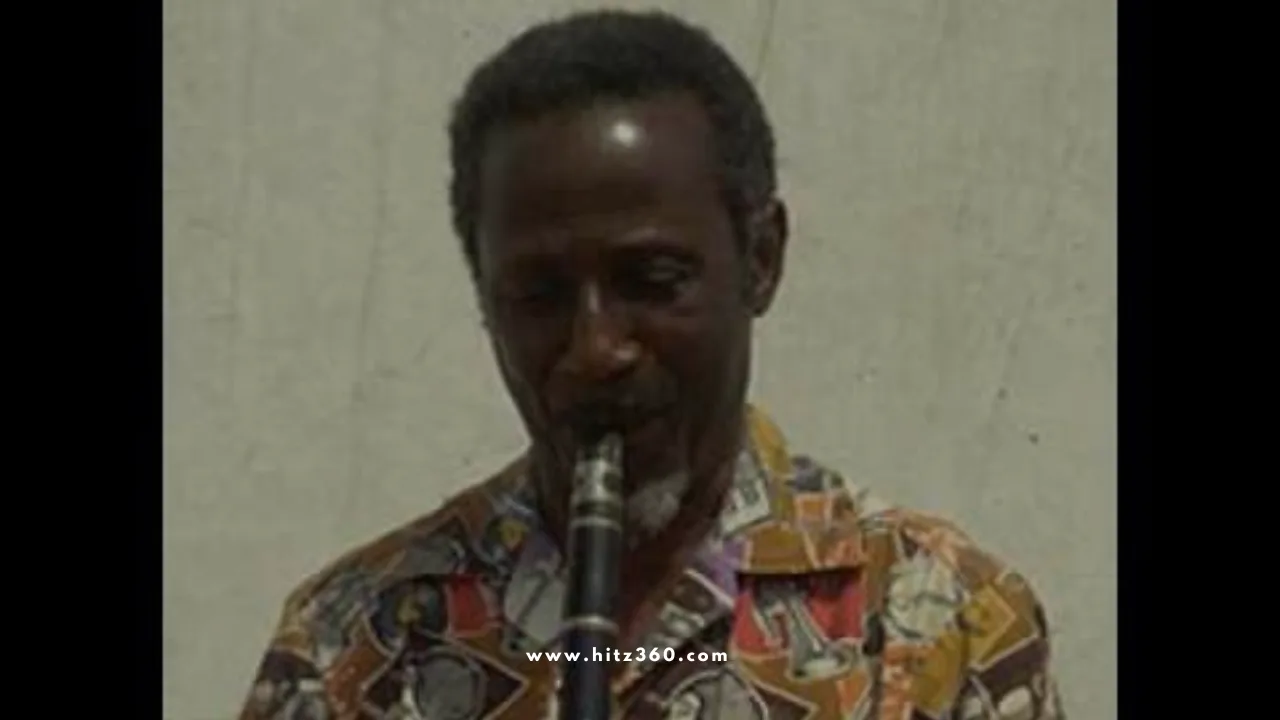
If E.T. Mensah gave Highlife glamour, King Bruce gave it structure. Born Emmanuel Kofi Bruce in Accra in 1922, he was a calm and educated man who believed music should carry discipline and purpose. Where others played for joy, Bruce played for unity.
He founded the Black Beats Band in the late 1940s, one of the first properly organized bands in Ghana. His background as a civil servant helped him manage his group like a professional institution—musicians were punctual, rehearsals were strict, and every performance followed order. Under Bruce, Highlife became not just a pastime but a respected career.
His music was built on horns, danceable rhythm, and choral harmony. He used Fante and Ga lyrics to tell moral stories and social lessons. Songs like “Maria,” “Baya,” and “No Condition is Permanent” carried gentle wisdom wrapped in melody. He sang about the changes of life, the need for humility, and the importance of perseverance.
King Bruce also served as a mentor. Many future legends—like Jerry Hansen of the Ramblers International Band—trained under him. He encouraged them to learn proper composition, not just play by ear. His approach laid the foundation for the modern band culture that flourished in the 1950s and 1960s.
Though he did not become as famous internationally as E.T. Mensah, King Bruce’s influence shaped generations. He built the bridge between entertainment and professionalism. When people say “old-school Highlife,” they often mean the kind of order and melody that King Bruce introduced. He made the music noble.
Nana Ampadu: The Storyteller Who Turned Proverbs into Music
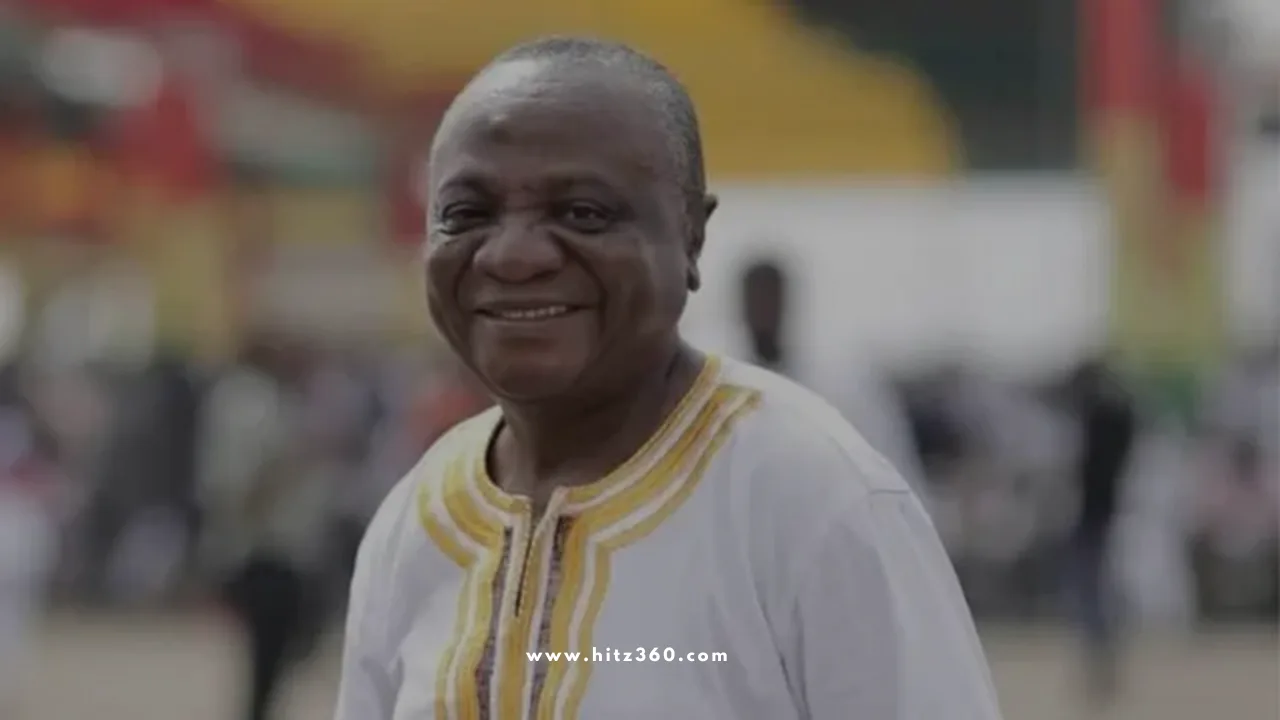
Then came Nana Kwame Ampadu, the man who turned the guitar into a storyteller’s voice. Born in Obo-Kwahu in 1945, he founded the African Brothers Band in the mid-1960s. If earlier Highlife was about horns and swing, Ampadu’s era was about words, wisdom, and village truth.
His songs carried the tone of the Akan fireplace—full of proverbs, riddles, and ancestral thought. He could sing about love one moment and then slip into moral teaching the next. His 1967 hit “Ebi Te Yie” changed everything. It was simple but powerful, hinting at political division and social inequality in post-independence Ghana. The government briefly banned it, yet the people never stopped singing it.
Ampadu wrote and composed over 800 songs, an unmatched record in Ghanaian music. His catalog touched every theme imaginable—love (Agatha), migration (Yaa Boatemaa), greed (Agartha), and wisdom (Obra). Each one was a small novel. His ability to blend melody and message made him a national voice.
He also mentored many artists who later shaped the next phases of Highlife and Gospel. His influence reached Alex Konadu, A.B. Crentsil, and even Daddy Lumba. In every sense, Ampadu was a teacher. He believed that music should not only entertain but also preserve culture and morality.
Until his passing in 2021, he carried himself with quiet humility. To many, Nana Ampadu was not just a musician—he was a library. His songs remain timeless lessons, proof that wisdom and rhythm can live in the same verse.
Alex Konadu: The One-Man Thousand
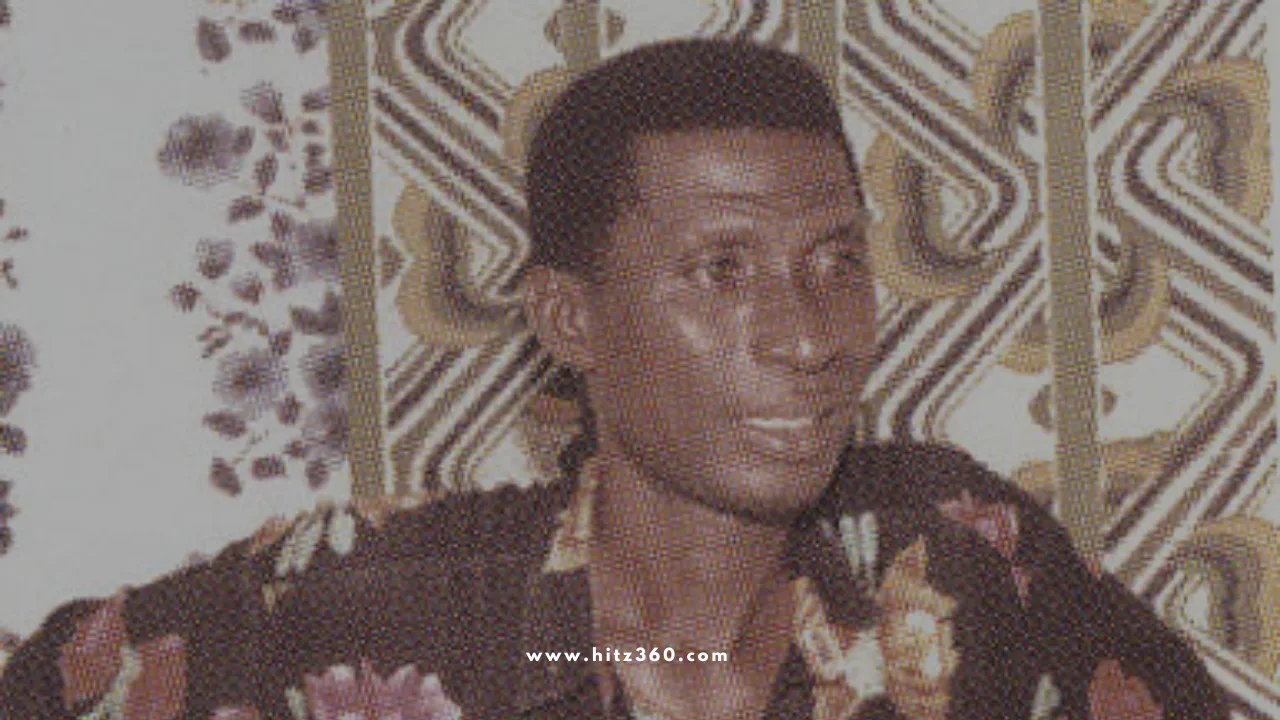
Where Nana Ampadu taught, Alex Konadu danced. Born in 1950 at Adwumakase Kese near Offinso, he earned the nickname “One-Man Thousand” because of his unmatched energy on stage. His shows could last for hours, and his crowd never tired.
Konadu started as a rhythm guitarist for Nana Ampadu’s African Brothers Band before forming his own group, the Ashanti United Band. His voice was raw and lively, and his songs felt close to the market woman and the cocoa farmer. He sang in Twi, but his words spoke to every Ghanaian—about life, love, and hustle.
His album “Asaase Asa” became one of the biggest-selling Highlife records in Ghana’s history. Songs like “Nsuo Amuna,” “Agyata Wuo,” and “Fa No Saa” made him a household name in the 1970s and 1980s. His strength was his rhythm—his songs could lift a tired crowd to dance, even in hardship.
Alex Konadu’s music reflected the working-class soul of Ghana. While others focused on city life, he sang for the people in the villages and small towns. He made them proud. Even after his death in 2011, his music remains a favorite at funerals, markets, and roadside bars.
He was not a politician, but his songs united people more than many speeches ever did. That was Alex Konadu—the man whose guitar could move a crowd like a thousand men.
Jerry Hansen: The Gentleman Bandleader Who Brought Elegance to Highlife
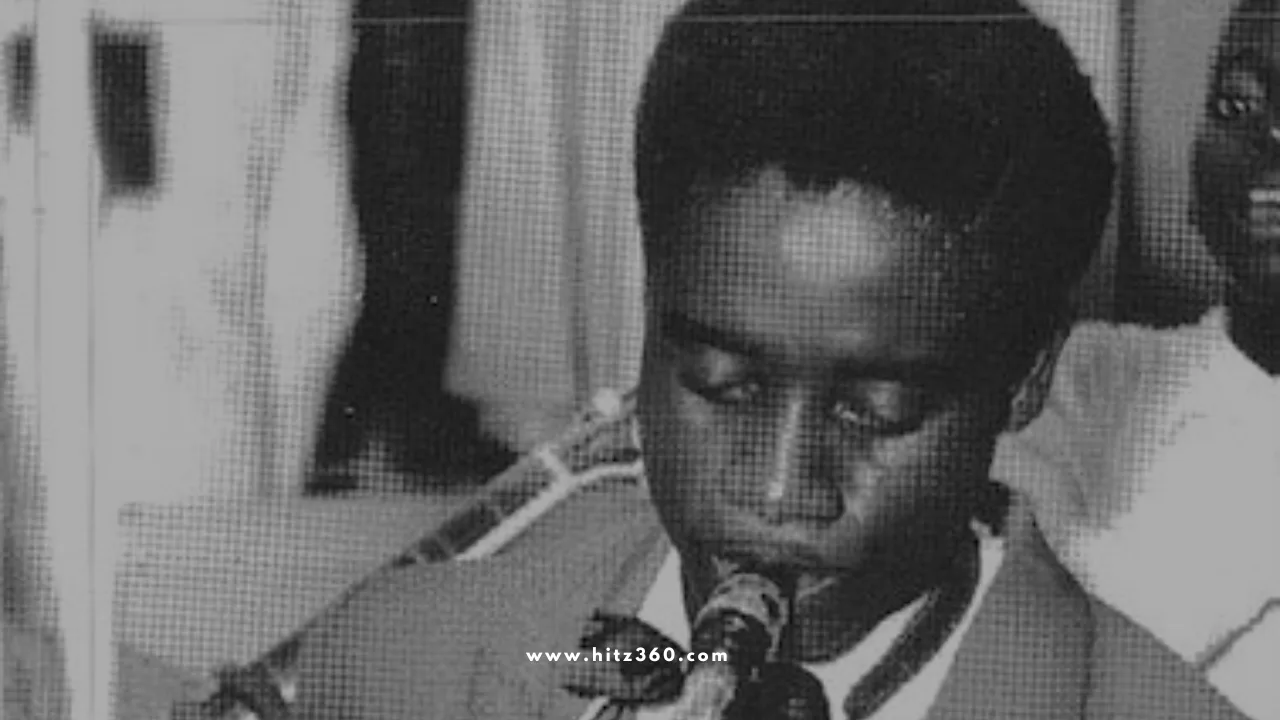
Born in Accra in 1927, Jerry Hansen was a saxophonist, composer, and founder of the Ramblers International Band—one of the most disciplined and refined orchestras in Ghana’s music history. He studied music formally and carried himself like a diplomat. When he stepped on stage, everything about him—his poise, his suit, his careful arrangements—showed respect for the craft.
The Ramblers combined brass band energy with Western orchestration and Ghanaian storytelling. They toured across Africa, playing in Liberia, Sierra Leone, and Nigeria, spreading Highlife beyond borders. Their songs—“Agyanka Dabre,” “Ama Bonsu,” “Knock on Wood,” and “Ebe Wo Wo”—balanced urban sophistication with traditional soul.
Hansen’s leadership gave young musicians a platform to grow, and he demanded excellence. He also helped form the Musicians Union of Ghana (MUSIGA), fighting for artists’ rights and proper recognition.
Jerry Hansen didn’t chase fame. He built legacy. He left behind a standard—proof that Highlife could stand with any form of world music when treated with respect.
Dr. K. Gyasi: The Organist Who Electrified Tradition
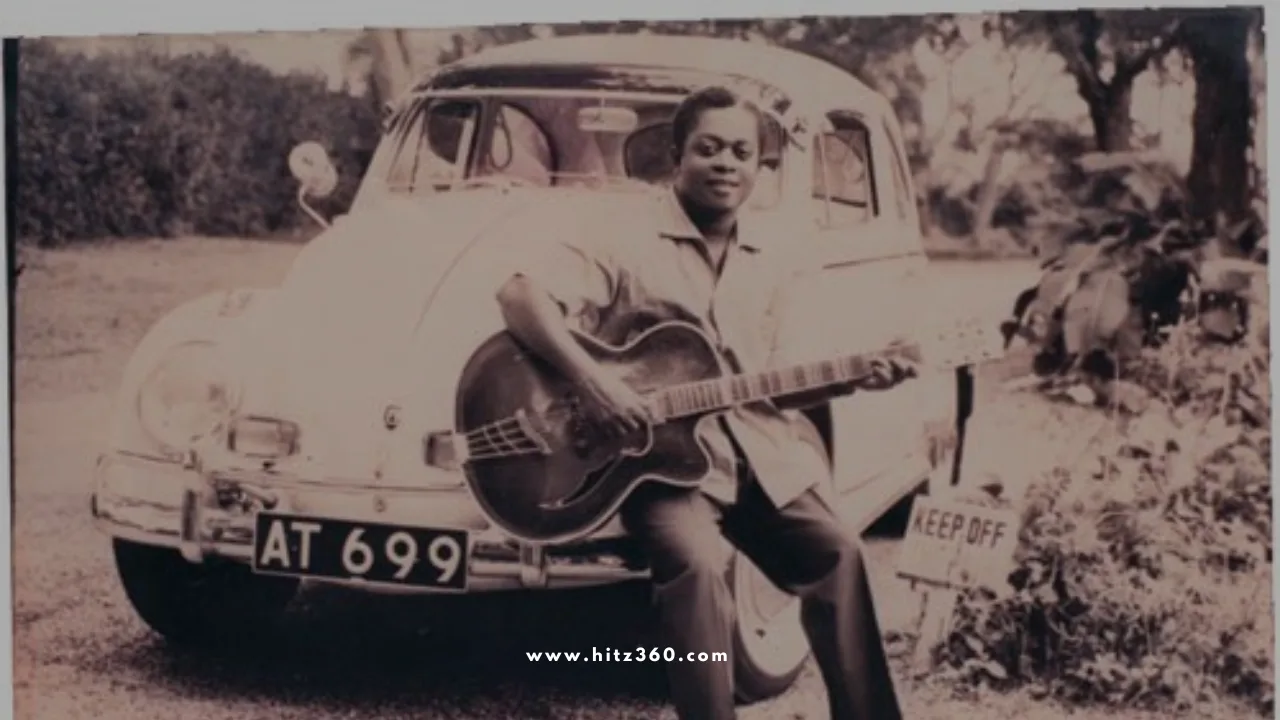
Dr. K. Gyasi was born Kwame Gyasi in the 1930s and came from the Ashanti Region. He was a showman and innovator who brought electric sound to Highlife before it became common. His band, Noble Kings, introduced a livelier stage experience with amplified instruments, colorful costumes, and message-driven lyrics.
He was among the first to use the electric organ in Ghanaian music, giving his songs a gospel-like tone that still made people dance. Hits such as “Sika Ye Mogya,” “Nkrabea,” and “Aban Nkɔ Mmɔden” captured both moral and political reflections. He often addressed greed, leadership, and destiny, all through rhythm and wit.
Dr. K. Gyasi’s stage presence was unmatched. His shows felt like sermons wrapped in music. Every performance had a lesson, and every lyric carried cultural weight.
He mentored young talents and pushed them to blend Akan wisdom with modern sound. In doing so, he helped prepare the stage for later Highlife icons like A.B. Crentsil and Nana Ampadu. To many, Dr. K. Gyasi was the mind that modernized Highlife without losing its Ghanaian heart.
A.B. Crentsil: The Voice That Made Ghana Laugh and Think
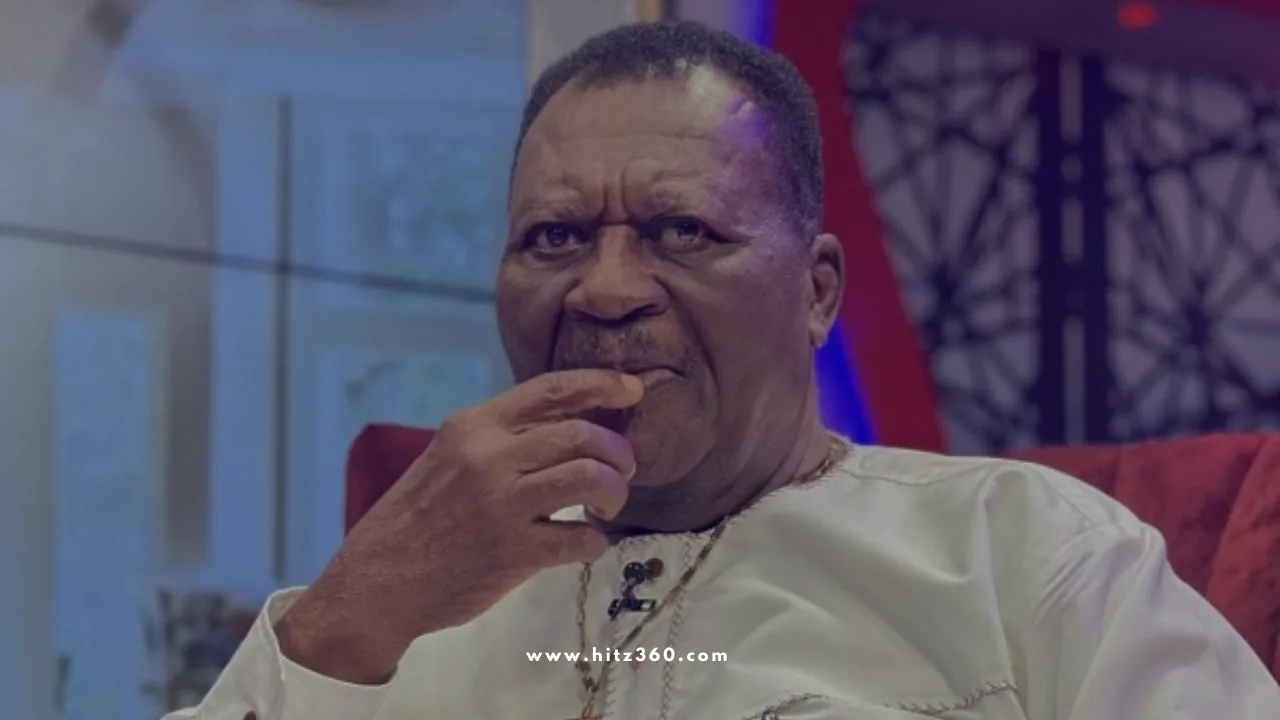
Alfred Benjamin Crentsil Jr., known simply as A.B. Crentsil, was born in Prestea in 1943. He was bold, humorous, and never afraid to sing what others were too polite to say. His songs were full of wit, storytelling, and social commentary.
He began with the Strollers Band before forming The Sweet Talks Band in the 1970s. His signature voice—deep, teasing, and soulful—gave Highlife a new texture. Songs like “Moses,” “Atia,” “Juliana,” and “Papa Samo” became national hits, not only for their melodies but for their storytelling. “Moses,” for instance, was both comic and moral, a tale about human temptation wrapped in laughter.
Crentsil sang in everyday language. He understood how ordinary Ghanaians spoke and turned their words into music. Through humor, he told deep truths about money, marriage, and morality. He wasn’t afraid of controversy because he believed that truth could dance too.
Even in his later years, A.B. remained loyal to the Highlife spirit. His records continue to play at every Ghanaian gathering where laughter and truth are welcome.
Eddie Donkor: The Romantic Soul of Highlife
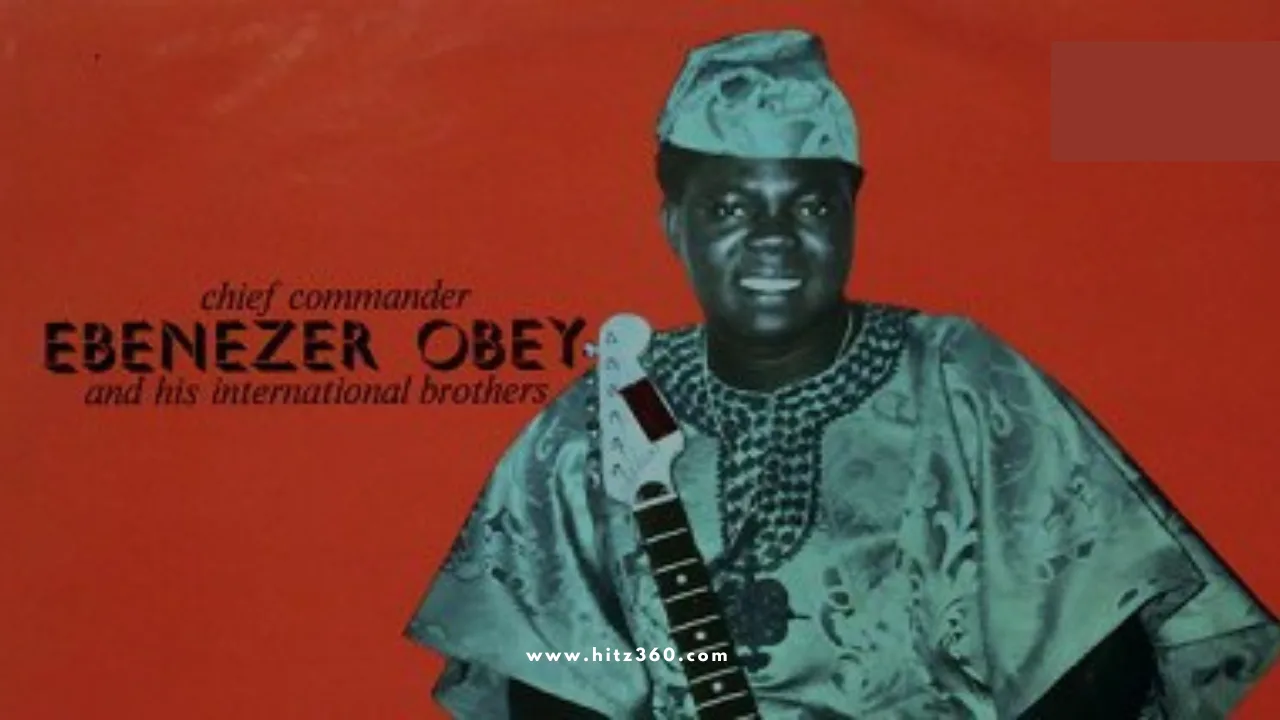
Eddie Donkor, born in the late 1940s, was one of the most beloved voices of the romantic Highlife era. Known as “Obuoba Eddie Donkor,” he sang with softness, charm, and a storyteller’s rhythm. His songs were about love, beauty, and the passage of time, but they carried a wisdom that went deeper than affection.
His band, The Asiko Internationals, became one of the busiest touring groups across Ghana. With hits like “Corner Fast,” “Maye Hot,” “New King, New Law,” and “Obiara Nsu Fre Me,” Eddie Donkor created a sound that blended dance with emotion. He often mixed Akan and English, showing pride in both language and heritage.
Unlike some of his peers, Eddie Donkor rarely preached or mocked; he comforted. His songs offered calm. They played at weddings, on long road trips, and on quiet evenings when life slowed down.
He was also generous to younger artists and regularly performed live long after his prime years, reminding everyone that Highlife was meant to be felt, not just heard.
Ampofo Agyei: The Poet of the People
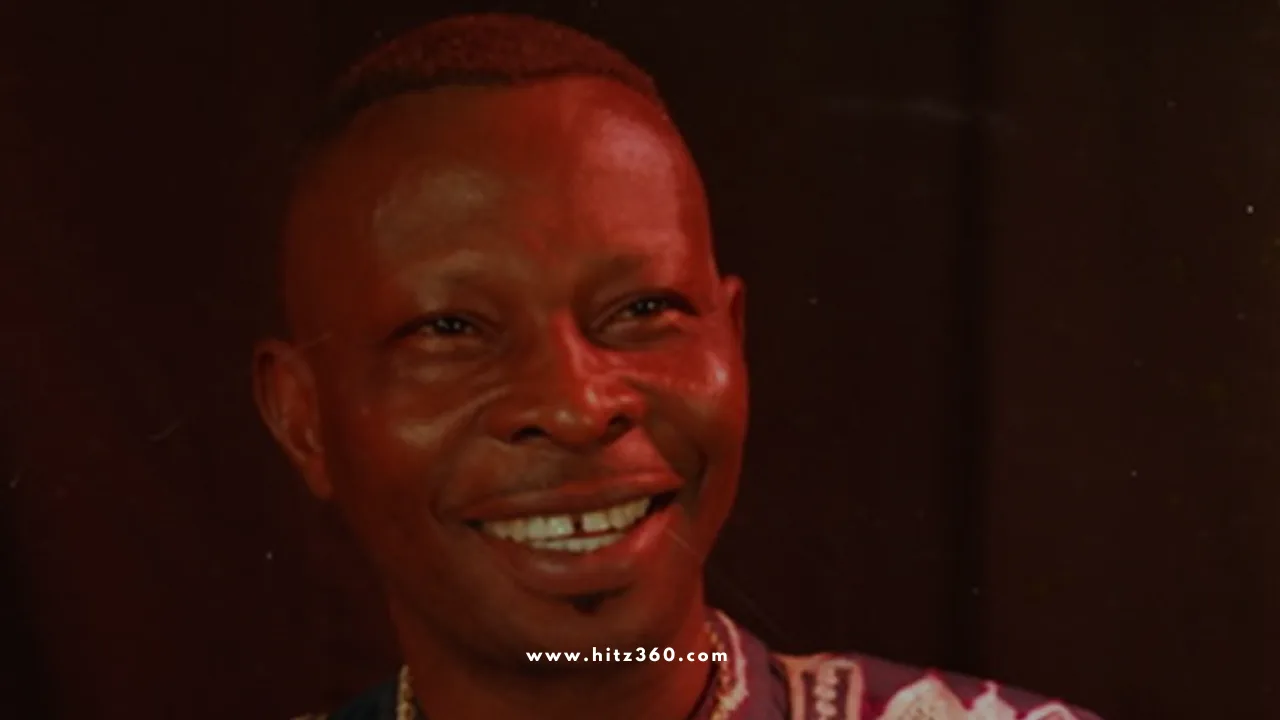
Among the lesser-celebrated but deeply respected names in Highlife history is Ampofo Agyei. Born in the 1930s, he was part of the early guitar-band generation that built the foundation for narrative Highlife. His group, the African Brothers Band Number 2, stood alongside Nana Ampadu’s band, but Ampofo Agyei had his own distinct style—calm, reflective, and rooted in Akan wisdom.
He was a natural poet. His songs were full of proverbs, folklore, and moral lessons. Pieces like “Yɛyɛ Den,” “Adeɛ Nyinaa Nsa,” and “Wo Nkoa” revealed his quiet intelligence. He wasn’t interested in glamour; he was interested in truth.
Ampofo Agyei’s music often explored loyalty, humility, and the mystery of destiny. He could take a simple proverb and turn it into a full song that made listeners pause and reflect. His approach shaped later Highlife lyricism, influencing songwriters who valued depth over dance.
Although he never received the same fame as Ampadu or Konadu, his works remain treasured among collectors and historians. He was one of the few musicians who treated Highlife like literature—every line deliberate, every image meaningful. He was, truly, the poet of the people.
Pat Thomas: The Golden Voice of Highlife
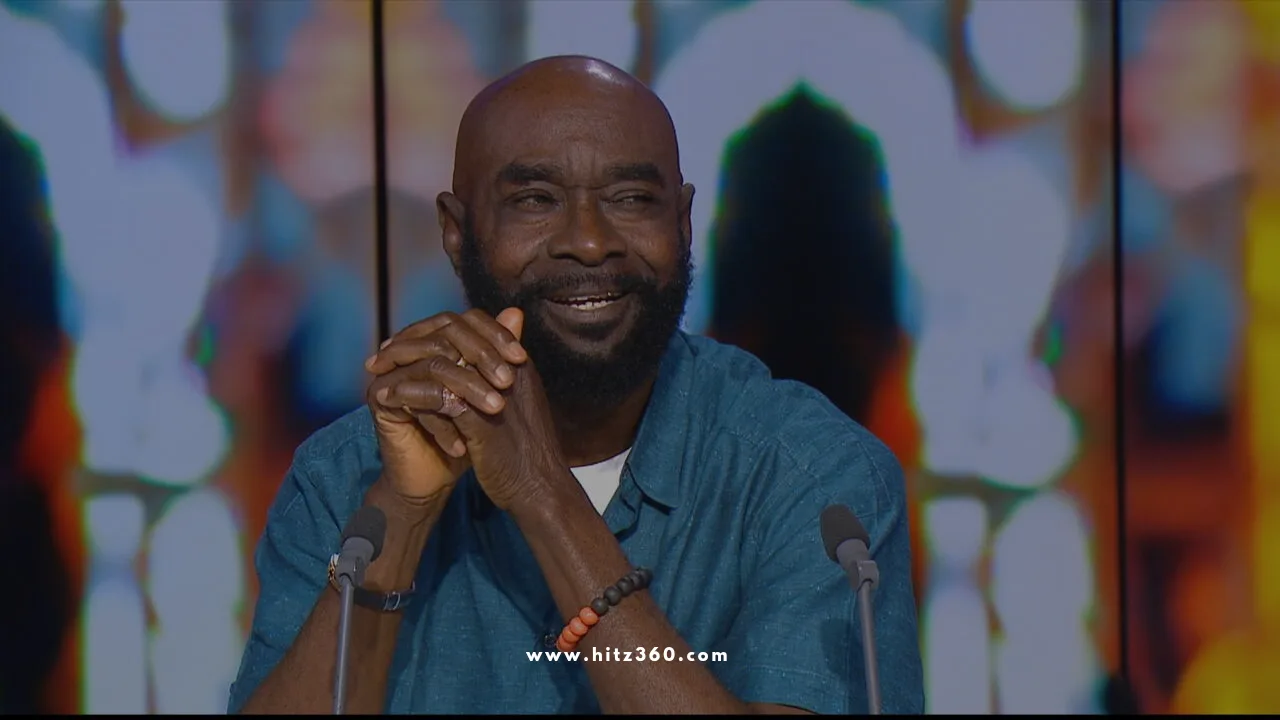
Born in Kumasi in 1946, Pat Thomas earned his place as Highlife’s most polished vocalist. Trained under King Onyina and later collaborating with Ebo Taylor, Pat Thomas shaped what many now call “modern Highlife.”
His smooth tone and poetic delivery made songs like “Sika Ye Mogya,” “Eye Adze,” “Yamona,” and “Mewo Akoma” eternal classics. In the 1970s and 1980s, his band, the Sweet Beans, helped modernize Highlife with jazz and funk elements, while keeping its Ghanaian roots intact.
Pat Thomas’ voice was elegant but human. He could make joy sound gentle and sorrow sound beautiful. Even after Highlife’s commercial decline, he remained loyal to the genre, recording new projects with Ebo Taylor and touring globally. His continued relevance proves that Highlife’s voice never truly faded—it only matured.
George Darko: The Father of Burger Highlife
Born in Akropong in 1951, George Darko changed the direction of Highlife forever. After moving to Germany in the late 1970s, he founded a new subgenre—Burger Highlife—a blend of traditional rhythm with electronic instruments and European studio techniques.
His 1983 hit “Akoo Te Brofo” was a cultural earthquake. It was sung in Twi but arranged with disco and pop influences. The result was fresh, urban, and deeply Ghanaian. Every Ghanaian abroad could hear home in it.
Burger Highlife became the sound of migration—the bridge between Ghana and its diaspora. George Darko’s success opened doors for Nana Acheampong, Daddy Lumba, and others who built on that style. He proved that even far from home, Highlife could still evolve without losing its identity.
Nana Acheampong: The Lover Who Brought Emotion to Highlife
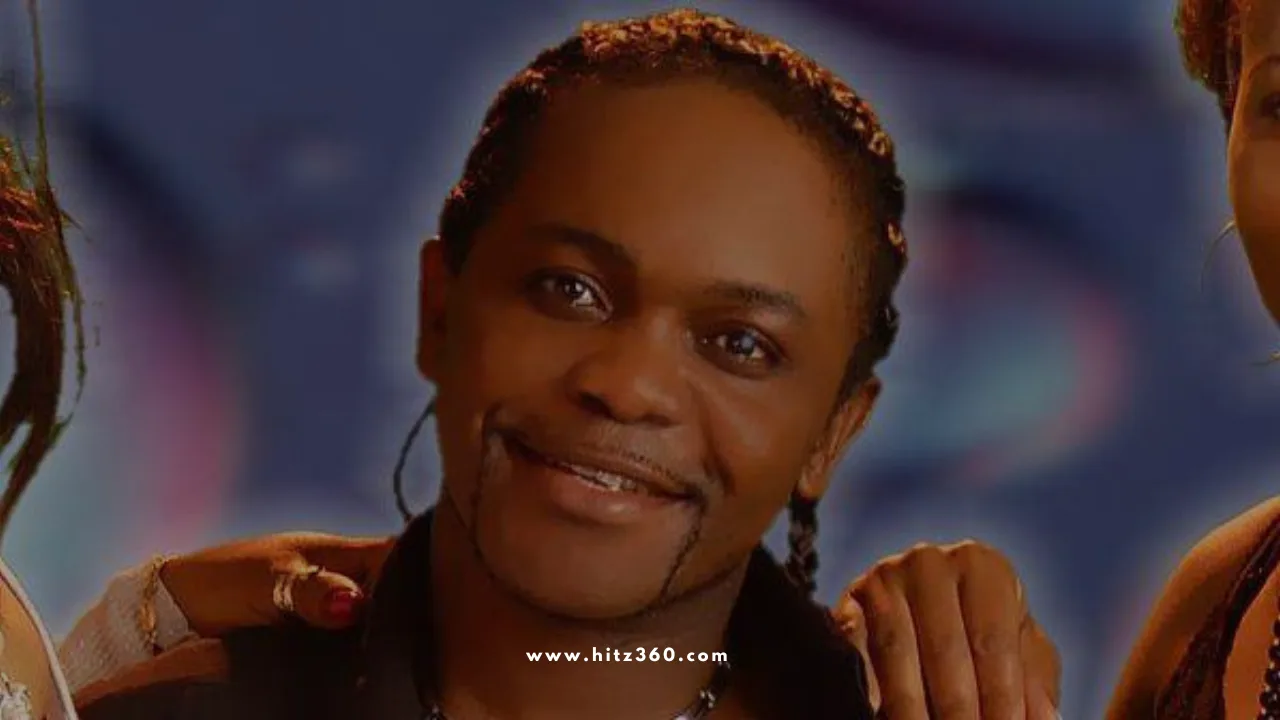
Nana Acheampong, born in 1962 in Abuakwa, was one of the most emotional singers of his generation. He co-founded the Lumba Brothers with Daddy Lumba in Germany, and together they created some of the most memorable Highlife love songs of the 1980s and 1990s.
After going solo, Acheampong’s songs—“Obibini Mu Obibini,” “Anka Ebeye Den,” and “Casablanca on Love”—became anthems for the Ghanaian youth. His melodies were tender, his lyrics full of longing and honesty. He was the bridge between old Highlife storytelling and the emotional modern ballad style that inspired later artistes like Ofori Amponsah and Kwabena Kwabena.
Acheampong gave Highlife a heart. His influence remains strong in today’s romantic Ghanaian music.
Daddy Lumba: The Voice That Defined Modern Highlife
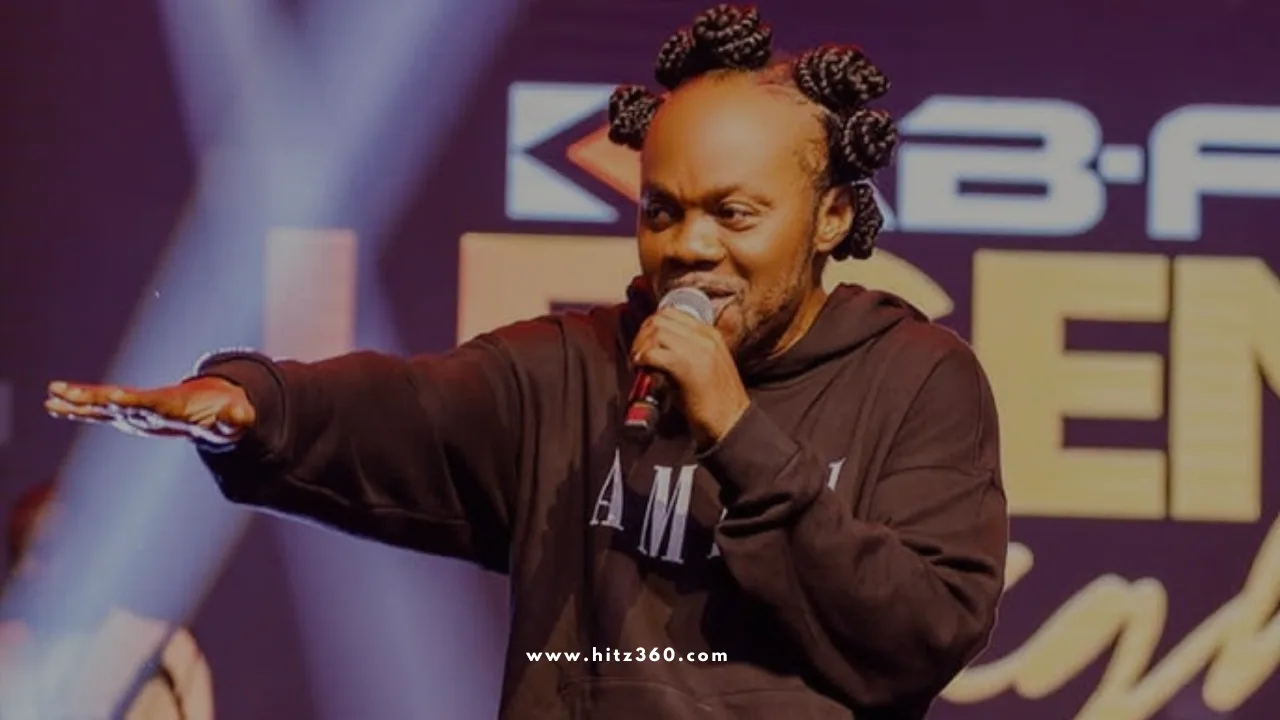
Finally, we arrive at late but never to be forgotten Charles Kwadwo Fosu, known to the world as Daddy Lumba and undoubtedly the greatest to ever do it. Born in Nsuta in 1964, Lumba carried Highlife into its most personal and emotional era. He began in Germany with the Lumba Brothers before launching his solo career that reshaped Ghanaian music forever.
Lumba fused Highlife’s structure with sharp lyricism and contemporary energy. His debut album “Yɛɛyɛ Aka Akwantuo Mu” in 1989 told stories of migration and heartbreak that spoke directly to the Ghanaian soul. From there, albums like “Sika Asem,” “Aben Wo Ha,” “Tokrom,” and “Woho Kyere” made him the most influential musician of his generation.
His lyrics were witty, emotional, and often laced with moral reflection. He made Highlife intimate—about family, faith, betrayal, and love. Few artists could blend laughter and pain the way Lumba did.
His legacy continues, not only in his vast catalogue but in every modern Ghanaian artiste who mixes emotion with melody. Daddy Lumba is not just a successor of the pioneers—he is the living proof that their sound will forever breathe. Though he’s not with us now, his legacy shall forever be etched in the history as the greatest.