
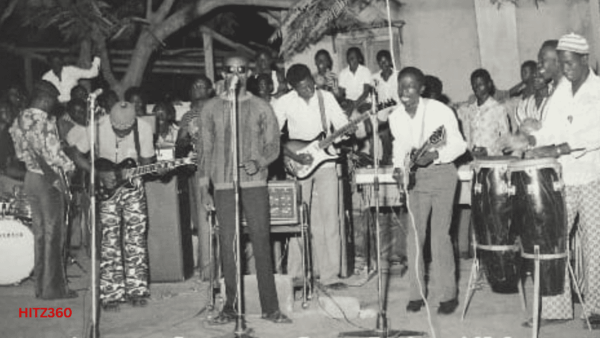
There was a time when Highlife music was the heartbeat of Ghana. It played at weddings, funerals, political rallies, independence celebrations and even in the background of your father’s first love story. Its melodies travelled from family compounds to drinking spots, from bustling markets to the radios of trotro drivers. You didn’t have to search for Highlife. It was simply part of everyday life.
The music gave Ghanaians something to dance to, but it also gave them stories worth discussing. Love, marriage, money, betrayal, politics and family problems all found their way into the lyrics. A musician could turn an ordinary situation into a song that people would remember for years.
Today, things feel different. Highlife hasn’t disappeared, but its presence in mainstream entertainment is no longer what many of us remember. Afrobeats, Hiplife and other contemporary genres receive much of the attention, particularly among younger audiences. Sometimes it feels as though Highlife has been pushed into a corner reserved for nostalgia and funerals.
So what happened? I wish I could give straight answers, but I’m still trying to make sense of it myself. Perhaps asking the right questions will lead us somewhere, or at least force us to confront a few uncomfortable truths about Ghana’s musical heritage.
1. How Did Highlife Music Decline Just Like That?
It was everywhere. Then, almost without warning, it seemed to lose its place at the centre of Ghanaian popular music. No proper send-off, no national announcement. We blinked, and suddenly Hiplife and Afrobeats were dominating conversations.
But perhaps the decline wasn’t as sudden as it appeared. Musical tastes change gradually, and different generations develop their own preferences. Radio stations, event organisers and recording companies respond to those changes. Before long, the music receiving the most attention becomes the music people hear most often.
Still, there’s something strange about a genre that helped define Ghanaian entertainment becoming less visible in the country where it flourished. Did Highlife lose its audience, or did the industry stop giving that audience enough opportunities to hear it?
Even today, a good Highlife mixtape can remind listeners how much great music remains in the genre’s catalogue.
2. Did We Really Convince Ourselves That Highlife Evolved Into Afrobeats?
No disrespect, but that’s like saying palm wine evolved into champagne. Sure, you might hear Highlife influences in contemporary Afrobeats, especially in guitar melodies and certain rhythmic arrangements. But that doesn’t mean the two genres are interchangeable.
Highlife developed its identity through a combination of Ghanaian musical traditions and outside influences. Its storytelling, instrumental arrangements and distinctive rhythms became important parts of its character. Afrobeats has drawn from several musical traditions, including Highlife, but has developed a broader modern identity of its own.
So when people say Highlife is still alive because its influence can be heard elsewhere, I wonder whether we’re avoiding the original question. An influence is not necessarily a replacement. Shouldn’t the traditional sound also have room to flourish?
3. Or Did Music Producers Just Give Up?
Were producers tired of arranging guitar chords, live horns, percussion and backing vocals? Or did creating music with a laptop become a more attractive alternative to organising an entire band?
Producing a traditional Highlife recording can require considerable preparation. Instrumentalists need rehearsal time, recording sessions have to be coordinated, and arrangements often involve several musicians working together. That can be expensive, especially when there is no guarantee of commercial success.
Modern production software has made recording music easier and more affordable. That’s a good development, but I sometimes wonder whether convenience has also influenced which sounds receive the most attention.
Could producers experiment with bringing more live Highlife instrumentation into contemporary recordings? Or have we reached a point where the industry considers such arrangements too demanding for the potential returns?
4. Did the Musicians Lose the Plot Too?
Why did some musicians who became associated with Highlife eventually explore Afropop, Gospel and other genres? Was it about the message, the money, the audience or the desire to try something different?
Musicians have every right to explore new directions. Nobody should be expected to perform one style forever simply because that is how listeners first discovered them. Still, commercial expectations can influence creative decisions.
When a contemporary sound attracts more radio play, bookings and online attention, artists may naturally want to experiment with it. Highlife musicians also need to earn a living, and that reality cannot be ignored.
Perhaps we should stop blaming artists for changing direction and examine whether the industry provides enough opportunities for those who choose to remain committed to the genre.
5. Is It Just Me, or Did the Instrumentalists Go Extinct?
Where did all the sweet-toned saxophonists, expressive lead guitarists and talented keyboardists go? Did they retire, migrate or simply become less visible?
Of course, instrumentalists haven’t gone extinct. Ghana still has skilled musicians performing in churches, hotels, live bands, entertainment venues and recording studios. The problem may be that their contributions receive less attention in mainstream music discussions.
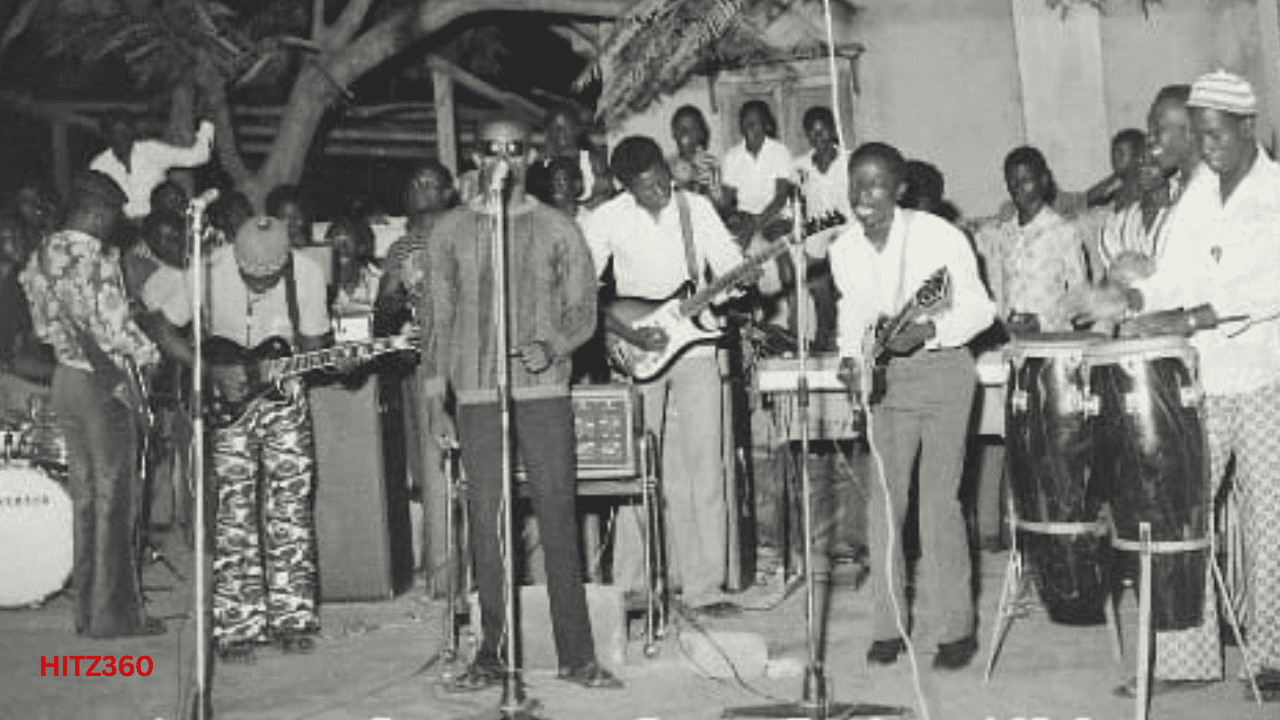
Highlife has a strong relationship with live musicianship. The interaction between the guitars, bass, percussion and horns can make a performance feel completely different from a recording built mainly around programmed sounds.
But talented players need support. If instrumentalists struggle to find regular opportunities or receive fair compensation, how can we expect young musicians to invest years in mastering those instruments?
6. Why Did We Stop Mentoring the Next Generation?
We love saying, “Back in the day,” but did we actually prepare the next day? Who is teaching young musicians those intricate guitar patterns, horn arrangements and rhythmic techniques?
Ghana has produced remarkable Highlife performers, including E.T. Mensah, Nana Ampadu, Ebo Taylor, Amakye Dede and Kojo Antwi. Their music continues to influence listeners and musicians, but appreciating their achievements should also encourage us to invest in future talent.
Music education, community bands, workshops and mentorship programmes could help younger performers develop a deeper understanding of Highlife. Experienced musicians have valuable knowledge that deserves to be passed on.
Instead of waiting until legends are no longer around before celebrating their contributions, shouldn’t we create more opportunities for them to teach the next generation while they can?
7. Is Foreign Music the Villain Here, or Just a Convenient Excuse?
We’ve all heard the complaints about American hip-hop, R&B, Nigerian Afrobeats and other international sounds receiving too much attention in Ghana. But are those genres really responsible for Highlife’s changing popularity?
Foreign influence has been part of Ghanaian music for generations. Highlife itself developed through interactions between indigenous musical traditions and influences including brass-band music and Caribbean styles.
Perhaps the real issue is not foreign music but the level of support available to Ghanaian musical traditions. Radio stations, event promoters, music platforms and listeners all influence what becomes popular.
We don’t have to stop enjoying international music to appreciate Highlife. There should be enough room for both. The question is whether we’re making a deliberate effort to preserve and promote what belongs to our own musical history.
8. Why Does Social Media Pretend Highlife Doesn’t Exist?
Scroll through TikTok, Instagram Reels or YouTube Shorts and you’ll find dance challenges, comedy clips and countless videos built around trending songs. Afrobeats and Amapiano regularly provide the soundtrack.
But how often do we see creators introducing younger audiences to classic Highlife recordings?
Some people might argue that Highlife is too slow or too traditional for modern social media trends. I don’t entirely agree. Many Highlife songs contain catchy choruses, entertaining lyrics and guitar passages that could work beautifully in short videos.
Maybe the genre simply needs more creative promotion. Imagine a challenge built around a classic Highlife dance, a musician explaining a famous guitar riff or a content creator translating the meaning behind an old song.
Young people cannot appreciate music they rarely encounter. Sometimes all it takes is the right introduction.
9. Did the Highlife Legends Miss the Digital Train?
Have you ever searched for a favourite classic Highlife song on Spotify or Apple Music and struggled to find the exact recording you remember?
Some classic albums are available on streaming platforms, but older catalogues can face difficulties involving music ownership, incomplete metadata, recording quality and digital distribution. Not every historic release has been properly prepared for modern platforms.
For listeners who grew up buying cassettes and CDs, that might not seem like a serious problem. But younger audiences increasingly discover music through their phones.
If an important recording is missing from major platforms or appears under incorrect information, the next generation may never encounter it. Preserving Highlife should therefore involve more than uploading random audio files. We need properly organised, authorised digital catalogues.
10. Why Did We Fail at Documenting Highlife?
Where are the archives, documentaries, interviews, books and carefully organised collections that explain the story of Highlife?
There have been efforts to document the genre, and researchers, collectors, musicians and cultural institutions deserve recognition for their contributions. However, much of that information is not always easy for ordinary listeners to access.
Highlife songs have recorded stories about Ghanaian society for decades. They discuss relationships, economic difficulties, social expectations and changes in everyday life. Those recordings are valuable historical materials, not merely entertainment.
Imagine a comprehensive digital archive where people could learn about influential musicians, listen to restored recordings and understand the circumstances surrounding important releases.
Wouldn’t that help young Ghanaians appreciate the music beyond simply recognising a chorus their parents used to sing?
11. Has Digitisation Been a Blessing or a Curse?
Highlife developed through live performances, recordings and shared social experiences. Music lovers gathered around bands, danced at events and enjoyed the interaction between instrumentalists and singers.
Today, streaming allows listeners anywhere in the world to discover Ghanaian music. Someone in London, Toronto or New York can explore Highlife without needing to visit a record shop in Accra.
That should be a major advantage. Yet digitisation alone doesn’t guarantee an audience.
When older recordings suffer from poor audio quality, incorrect artist information or limited promotion, listeners may struggle to discover and appreciate them. Proper restoration, distribution and music documentation can make a considerable difference.
So perhaps digitisation isn’t the curse. Maybe the challenge is that we haven’t always taken full advantage of the opportunities it provides.
12. Are We Scared of Sounding Old?
Be honest. When you hear certain Highlife songs, do they immediately remind you of your parents, grandparents or a family gathering from years ago?
There’s nothing wrong with nostalgia, but I wonder whether we’ve allowed it to define the genre too narrowly. Highlife is often presented as music from the past rather than music that people can continue enjoying today.
Meanwhile, older songs from other parts of the world regularly find new audiences through films, online videos, remixes and live performances.
Why shouldn’t Ghanaian Highlife receive similar attention?
Love, disappointment, family responsibilities and financial struggles haven’t disappeared from our lives. Those are some of the same subjects Highlife musicians have explored for decades.
Maybe Highlife doesn’t need to dress differently or abandon its identity. Maybe we simply need to stop treating its age as a disadvantage.
13. Do We Even Care Anymore?
That’s the scariest question. Do we genuinely care about the future of Highlife, or do we only become interested when someone reminds us of the good old days?
We proudly celebrate Ghanaian culture through food, traditional clothing, festivals and language. Music deserves the same commitment.
But when was the last time we deliberately listened to a complete Highlife album? When did we last attend a live performance or introduce a younger person to a musician whose recordings shaped Ghanaian entertainment?
I’m asking myself these questions too, because supporting our musical heritage requires action rather than complaints.
Musicians, promoters, radio stations, schools and cultural institutions have responsibilities. Listeners also have a part to play. What we choose to listen to, recommend and support can influence the opportunities available to performers.
14. Is There Still Hope, or Are We Just Romanticising a Ghost?
Can Highlife make a real comeback? Or are we holding on to memories of a musical era that cannot return in exactly the same form?
I believe there is still hope, although it might require us to rethink what a successful Highlife future should look like. Not every musical tradition needs to dominate streaming charts to remain valuable.
There has also been an important development. In December 2025, Ghana’s Highlife music and dance was inscribed on UNESCO’s Representative List of the Intangible Cultural Heritage of Humanity. This recognition highlights the genre’s cultural importance and the need to safeguard its traditions.
That recognition is encouraging, but it cannot replace practical support for musicians. We still need opportunities for live performances, proper documentation, mentorship and the preservation of historic recordings.
Perhaps Highlife’s next chapter won’t sound exactly like its earlier years. Perhaps younger musicians will introduce fresh ideas while maintaining connections to its foundations.
And maybe that’s perfectly fine. A living musical tradition should have room to grow without losing the qualities that make it distinctive.
Final Thoughts on the Future of Highlife Music
Nothing but questions, and perhaps still not enough answers.
These are the thoughts of someone who grew up hearing Highlife at nearly every corner but now sometimes has to make a deliberate effort to find it. I don’t believe the music has completely disappeared. The musicians are still there, the recordings still exist, and people continue to enjoy the sound.
Maybe the problem is that we’ve become disconnected from an important part of our musical identity.
There’s still time to change that. We can support live Highlife performances, share classic recordings, encourage younger instrumentalists and make the music part of everyday conversations again.
I can’t shake the feeling that we’ve allowed something precious to receive less attention than it deserves. But perhaps talking about it is a useful place to begin.
What do you think happened to Highlife music in Ghana? Is the genre losing its relevance, or have our listening habits simply changed? Share your thoughts.