
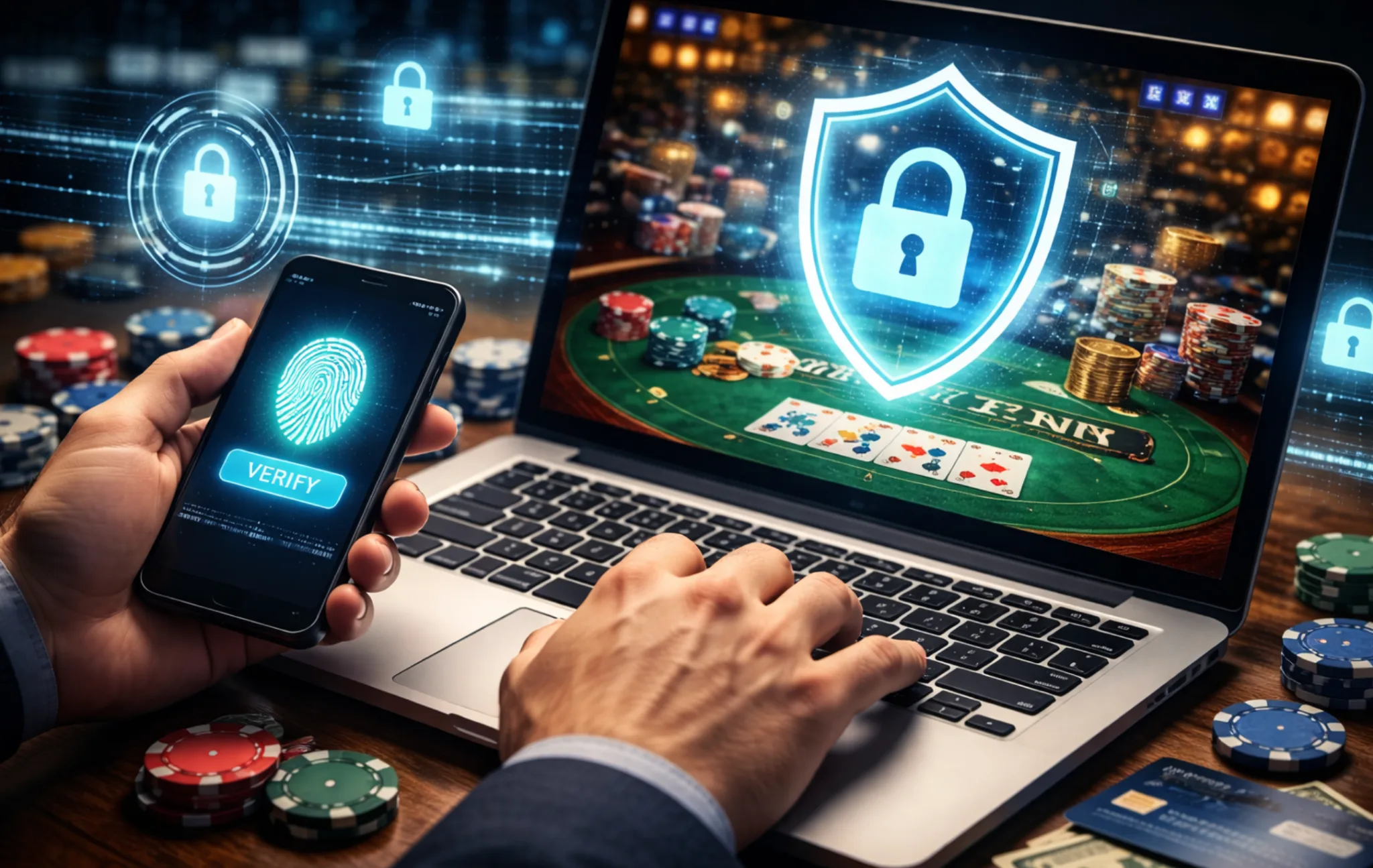

Online casinos handle sensitive data. Money details. Personal information. Playing habits. Players trust platforms with all of this. That trust depends on security. Modern casinos invest heavily in protection. Not for show. For survival. Without strong security, a casino does not last.
The Basics of Online Casino Security
Security works in layers. No single tool does everything. Each layer covers a different risk. Data theft. Account takeover. Fraud. When combined, these systems create barriers. Attackers look for easy targets. Strong security removes that option. The goal is prevention, not reaction.
Encryption: Keeping Data Private
Encryption is the foundation. It keeps data safe while it moves. When you log in or pay, the information is scrambled. Only the casino can read it. The ghanaian online casino uses SSL or TLS encryption. The same technology banks use. If data is intercepted, it looks like noise. That makes theft useless.
How Secure Connections Work
You may notice a lock icon in the browser. That matters. It shows the connection is encrypted. Data moves safely between you and the site.
Without this, information can be exposed. With it, your actions stay private. This protection works quietly. You rarely notice it. That is how good security should feel.
Protecting Player Accounts
Accounts are common targets. Hackers prefer stealing access over stealing systems. Modern casinos protect accounts carefully. Passwords are stored in an encrypted form. Not plain text.
Even the casino staff cannot see them. That reduces internal risk. Account protection starts with proper storage. It continues with smart access controls.
Multi-Factor Authentication Explained Simply
Multi-factor authentication adds a second check. Sometimes a third. After your password, you confirm your identity again. A code was sent to your phone. An app notification. A biometric scan. This stops most account theft. Even if a password leaks. It may feel slower. It is much safer.
Why Passwords Alone Are Not Enough
Passwords fail for simple reasons. People reuse them. They choose weak ones. Attackers know this. They exploit it.
Multi-factor systems assume passwords will fail. They prepare for that reality. This mindset improves overall security. It protects users from their own habits.
Secure Payment Systems
Money movement is tightly controlled. Every transaction is monitored. Payment providers use their own security layers. Card checks. Fraud detection systems.
Casinos never store full card details. That data stays with payment processors. If one system fails, others still protect funds. This reduces financial risk for players.
The Role of Firewalls and Monitoring
Casinos use digital firewalls. These block unwanted access. They also monitor traffic patterns. Unusual behavior triggers alerts.
This allows a quick response. Before damage spreads. Security teams work constantly. Even when players are asleep. Protection is ongoing, not occasional.
Anti-Fraud Technology in Action
Fraud detection uses behavior analysis. Not just rules. Systems watch how accounts act. Betting speed. Location changes. Payment habits.
When behavior shifts suddenly, the system flags it. This protects both players and casinos. It also reduces false accusations. Smart systems learn over time.
Device and Location Checks
Modern casinos track devices carefully. Not invasively. Strategically. A new device may trigger verification. A new country may require confirmation.
This prevents stolen account abuse. It also protects legitimate players. Most checks happen automatically. You only notice when something looks wrong.
Fair Play and Game Integrity Systems
Security is not only about theft. It also protects fairness. Games use certified random number generators. These ensure outcomes are random.
Independent auditors test these systems. They publish reports. This prevents manipulation. It builds player confidence. Fair games are part of security.
How Licensing Improves Security
Licensed casinos must follow rules. Strict ones. Regulators require audits. Data protection standards. Clear reporting.
Unlicensed sites avoid these checks. That is risky. Licensing creates accountability. Security improves when oversight exists. Players benefit from regulation quietly.
The Human Side of Casino Security
Technology helps. People still matter. Security teams review alerts. They investigate suspicious activity.
Staff training reduces internal risks. Mistakes can cause breaches. Strong systems include human judgment. Not blind automation. Balance matters here.
What Players Can Do to Stay Safe
Security is shared. Players play a role. Use unique passwords. Enable multi-factor login. Avoid public Wi-Fi for banking. Log out after sessions. Check account activity often.
These habits reduce risk greatly. They take little effort. Good security works best with cooperation.
Common Myths About Online Casino Security
Some think casinos are unsafe by default. That is outdated. Others think security slows gameplay. It rarely does.
Modern systems are fast. They operate in the background. The biggest risk often comes from users. Not the platform. Understanding this changes perspective.
Why Security Keeps Improving
Threats evolve. Security follows. Casinos compete on trust. Security becomes a selling point. New tools appear every year. Better detection. Stronger encryption. This cycle benefits players. Protection grows quietly.
A Safer Digital Gambling Environment
Online casinos are not perfect. But they are far safer than before. Multiple systems work together. Encryption. Authentication. Monitoring.
Most risks are reduced before you see them. That is the goal. When security works well, players can focus on playing. And that is the point.
Biometric Security and Fingerprint Login
Some casinos now support biometric checks. Fingerprints or face scans confirm identity. These methods are fast. They are hard to fake. Biometrics reduces password reliance. They also lower login friction. Not all platforms use them yet. But adoption is growing.
Data Storage and Privacy Protection
Security also covers stored data. Not just data in motion. Player information is segmented. Access is limited by role. Even if one system is breached, others remain protected. This design limits damage. It also supports privacy laws.
What Happens During a Security Incident
Breaches can still occur. Preparation matters. Modern casinos isolate affected systems quickly. Accounts may be frozen temporarily. Players are notified. Investigations follow. Clear response plans reduce harm. Transparency builds trust afterward.