
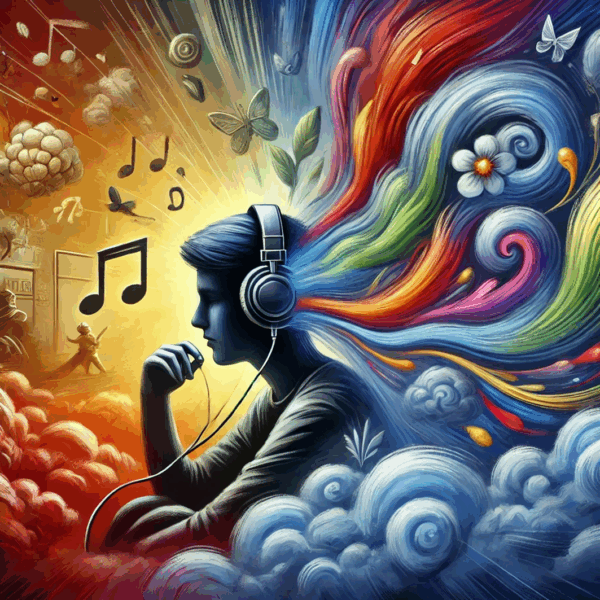

Music is not just background noise. It changes emotions, thoughts, and even political awareness. The right song can lift someone’s spirit, while another can bring deep sadness. Many industries use this power, from advertising to sports betting, shaping how people feel to influence their decisions.
The Connection Between Music and Dopamine
Music directly affects the brain. It triggers the release of dopamine, the chemical linked to pleasure. A fast-paced song can create excitement, while slow melodies bring calmness. Capitalist industries exploit this by using music to control emotions, making people more likely to spend money impulsively.
How Capitalism Uses Music to Influence People
Music is a tool for emotional control. Stores play upbeat songs to encourage shopping. Casinos use repetitive tunes to keep gamblers inside. In the betting industry, intense music builds excitement, making it easier for people to risk their money. This manipulation is designed to maximize corporate profits at the expense of personal well-being.
Music and Collective Struggles
Music has always been part of political movements. Protest songs unite people, giving them strength and hope. From workers’ rights anthems to hip-hop exposing social injustices, music is a weapon against oppression. It reminds people that their struggles are shared, pushing them to fight against injustice.
The Role of Music in Shaping Identity
Music is deeply tied to identity. It influences fashion, speech, and ideology. People find belonging in musical subcultures. Punk, reggae, and rap have all been voices of rebellion. The ruling class has tried to co-opt these movements, turning resistance into commercial trends.
Breaking Free from Emotional Manipulation
Understanding music’s power helps people resist manipulation. Choosing music consciously, rather than passively absorbing corporate playlists, is a small act of resistance. Supporting independent artists and political musicians keeps music from being just another capitalist tool.
Music as a Tool for Social Control
Music is everywhere. It plays in stores, on public transport, and in advertisements. But it is not just entertainment. It influences how people think and feel. Companies use music to make consumers spend more. Governments use national anthems to create loyalty. When music is controlled, emotions and decisions are controlled too.
Why Protest Music Is So Powerful
Protest songs unite people in struggle. They spread messages of resistance and hope. From labor movements to civil rights fights, music has always been a tool for change. Powerful lyrics give people the courage to fight injustice. The ruling class fears music that questions the system. That is why radical music is often censored or co-opted.
How Streaming Platforms Shape Taste
Streaming services decide what music people hear. Their algorithms promote commercial hits over independent voices. This creates a cycle where only safe, profitable music gets exposure. Radical or experimental artists struggle to be heard. Music that questions capitalism rarely reaches the top of the charts.
The Connection Between Music and Consumerism
Big brands use music to manipulate emotions. Fast beats in stores make people buy faster. Casinos use soft, repetitive music to keep gamblers inside longer. Advertisements use nostalgic songs to sell products. Music is turned into a tool for profit, shaping spending habits without people even noticing.
Taking Back Control Over Music
Music should belong to the people, not corporations. Supporting independent artists is a way to resist commercial control. Listening to political music can open minds to new ideas. Creating and sharing underground music keeps radical voices alive. Music has power—but only if people use it for change, not just entertainment.
Music and the Working Class
Music has always been part of the lives of workers. From factory songs to street musicians, it reflects everyday struggles. Rich elites enjoy music as luxury, while workers use it as survival. It helps people endure long shifts, stress, and low wages. But the music industry rarely values these voices. Instead, it sells empty entertainment that ignores real struggles.
Why Radio Stations Play the Same Songs
Turn on the radio, and you will hear the same songs everywhere. This is not random. Big record labels decide what gets played. They push music that sells, not music that challenges power. Radical songs get ignored. This system keeps people entertained but disconnected from real issues.
The Impact of Music on Political Movements
Revolutionary movements always have music. Songs give people strength in protests, marches, and strikes. Music spreads ideas faster than speeches. That is why governments fear it. Dictatorships ban rebellious songs. Even in “free” countries, the music industry silences voices that question power.
How Music Streaming Reduces Artist Freedom
Streaming platforms control which songs succeed. Algorithms favor music that keeps people passive. They push simple, repetitive beats instead of deep, meaningful lyrics. This system rewards safe, apolitical artists. Independent musicians struggle to survive because the system values profit over creativity.
Music as a Weapon for Change
Music is more than entertainment. It can inspire, educate, and mobilize people. Songs can change minds and push movements forward. That is why it is important to support radical musicians. Choosing what to listen to is not just a personal choice—it is a political act.