
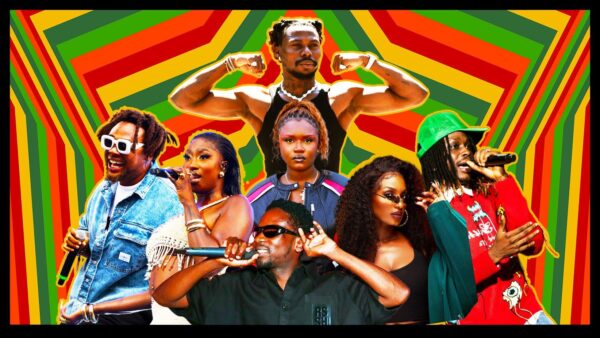

What if African music genres was being slowly mislabeled, mispackaged, and misrepresented by its own success story?
That’s the quiet contradiction at the heart of Africa’s modern musical renaissance.
Over the last decade, “Afrobeats” has exploded onto the world stage. From Billboard charts to Grammy nods, it has become the face of African music globally. But behind the flashing lights and festival stages lies a bitter truth: Afrobeats didn’t just rise, it overshadowed.
It became the catch-all label for everything from South African house to Ghanaian Highlife, erasing centuries of regional styles and sonic identities in the process.
Ask the average global listener to name an African genre, and chances are “Afrobeats” is all they know. But Africa’s musical ecosystem is far too complex, too diverse, and too historic to be crammed into a single, oversimplified word.
Highlife, Amapiano, Soukous, Mbalax, Bongo Flava, Kora blues, each of these styles carries a legacy, a cultural heartbeat, a history that deserves to stand on its own. And yet, they’ve been rebranded, reclassified, and in some cases… forgotten.
This isn’t just a genre problem, it’s an identity crisis. One that risks flattening Africa’s rich musical landscape into a single export-friendly sound. And while Afrobeats deserves its flowers, it should never be allowed to take all the credit.
In this article, we’ll explore:
- The iconic African music genres and their pioneers
- How the global rise of Afrobeats rewrote the narrative
- Why this kind of genre confusion is dangerous
- And what Africa (and the world) must do to preserve our distinct musical voices
Because every genre has a name. And every name has a story. It’s time we start telling them again.
Africa’s Soundtrack: More Than Just Afrobeats
Before the world got hooked on Afrobeats, Africa had already been dancing. Our mothers, fathers, and ancestors were swaying, clapping, and stomping their feet to rhythms that told stories of love, of war, of farming seasons, of heartbreak, and of home.
So let’s clear the dust off the drums and revisit the real MVPs of African music.
Highlife – Ghana’s Golden Sound
Back in the day, before social media and streaming numbers, there was Highlife, a smooth, guitar-rich style that started in Ghana’s coastal towns. It blended traditional Akan rhythms with jazzy horns and palm wine guitar. E.T. Mensah, often called the “King of Highlife,” made the genre a national treasure.
Later, it evolved into burger-highlife and even hiplife (more on that soon), but its core remained: storytelling, melody, and class.
Pioneers & Icons:
E.T. Mensah, Nana Ampadu, George Darko, Amakye Dede, Kojo Antwi and the timeless Daddy Lumba.
Afrobeat – Not the ‘s’ One
Before we go any further, let’s clear up the alphabet soup. Afrobeat (no “s”) is not Afrobeats. It was birthed by the legendary Fela Kuti, Nigeria’s unapologetic truth-teller and sonic revolutionary. Afrobeat fused jazz, funk, highlife, Yoruba chants, and political fire. It was protest music in a groove suit.
Sound: Big horns, deep grooves, and lyrics that slap corrupt governments harder than sanctions ever could.
Icons: Fela Kuti (of course), Tony Allen (the drummer behind the fire), and Egypt 80.
Amapiano – South Africa’s Latest Party Export
Fast forward to now. South Africa gave us Amapiano, and the world said “ayyyy!” With its dreamy keys, laid-back vibes, and punchy log drums, Amapiano is what happens when you mix house music with township soul.
It’s young, it’s vibrant, and it’s unapologetically South African. You can hear it in weddings, car speakers, and even in your backyard ( verify if that’s a cap)
Pioneers: Kabza De Small, DJ Maphorisa.
Why it matters: It didn’t try to be Afrobeats. It stayed true, and the world came to it.
Bongo Flava – East Africa’s Urban Voice
Over in Tanzania, Bongo Flava has been booming for decades. It’s a Swahili blend of hip hop, R&B, reggae, and traditional Tanzanian rhythms. It started off political, evolved into pop, and now dominates East Africa’s charts.
Icons: Diamond Platnumz, Harmonize, Ali Kiba
Flavor Profile: Think afropop with East African seasoning—clean, catchy, and proud.
Mbalax – Senegal’s Sonic Heartbeat
Now to the west again—Senegal’s gift to the world is Mbalax. It’s got sabar drums, rapid-fire rhythms, and soulful vocals. It’s the sound of Dakar’s nightlife and the soul of the Senegalese people.
King of Mbalax: Youssou N’Dour. If you don’t know him, you ain’t African enough, level up pal.
Soukous – Congo’s Dance Machine
You want fast guitar riffs, call-and-response vocals, and footwork that would make Michael Jackson sweat? That’s Soukous. Born in the Congo, this genre was—and still is—the life of the party across Africa.
Legends: Papa Wemba, Koffi Olomidé, Franco Luambo
Fun Fact: Half of West Africa learned to dance through Soukous, even if they won’t admit it.
Desert Blues – Mali’s Soulful Whisper
Away from the bass and beats, there’s the quiet power of Desert Blues. Rooted in Tuareg traditions and griot storytelling, it’s haunting, spiritual, and raw. It’s the kind of music that doesn’t shout—but you’ll feel it in your chest.
Pioneers: Ali Farka Touré, Tinariwen, Fatoumata Diawara
Mood: Midnight bonfire in the Sahara.
Let’s pause for a second. Are you starting to see the problem? These genres are world-class, culturally rich, and absolutely different from each other. So why, oh why, does the world keep tagging them all as Afrobeats?
Well, let’s talk about it.
The Rise of Afrobeats — and the Global Identity Crisis It Triggered
Let’s give credit where it’s due. Afrobeats (with an ‘s’) did what few genres could. It crossed oceans, filled arenas, and made the world dance—all while wearing Ankara shirts and singing in pidgin, Yoruba, and Igbo. Burna Boy, Wizkid, Davido, Tiwa Savage… these are household names now, from Lagos to London to Los Angeles.
No shade at all. Afrobeats is vibrant, proudly African, and well-earned in its global glory. But somewhere along the way, something strange started happening: everything that sounded remotely African got thrown into the same bucket.
One Name, One Sound? Not Quite.
- A Congolese Soukous hit suddenly appears on a Spotify “Afrobeats” playlist.
- A South African Amapiano track trends on TikTok under the Afrobeats hashtag.
- A Tanzanian Bongo Flava artist gets introduced as “an Afrobeats singer” at an award show.
Umm… what?! This isn’t just lazy—it’s erasure.
Africa is not a country, and our music is not one rhythm. Every genre has its own tempo, its own message, its own ancestors. But thanks to algorithm-driven platforms and poorly informed media outlets, the name “Afrobeats” has now become the continent’s musical placeholder.
Why Is This Happening?
Let’s be honest, it’s not entirely surprising. The world loves convenience. It’s easier to market “Afrobeats” as one neat sound from “Africa” than to explain Soukous, Mbalax, Highlife, and Amapiano separately.
Western music industries, award shows, and streaming platforms often lump non-Western sounds into one box. It happened with “World Music,” and now it’s happening with “Afrobeats.”
What’s worse? Even some Africans are starting to do it too. Because when a name starts trending, everyone wants to ride the wave. Understandable—but still damaging.
The Real Cost of the Confusion
Let’s break it down: Ghanaian Highlife artists struggle for visibility on global platforms unless they add a little Afrobeats flavor.
Tanzanian Bongo Flava musicians are forced to rebrand their sound to fit Western expectations. Amapiano DJs have to explain, every time, that they’re not Afrobeats artists, they’re Amapiano artists.
See the problem? We’re not just losing names, we’re losing stories, histories, and pride. Future generations might think Africa only had one rhythm. And that would be one of the biggest lies ever told.
The World Doesn’t Do This — So Why Should We?
Let’s play a little game. Go to any Western music platforms like Spotify, Apple Music, YouTube—and type in “American music.”
Now do the same for “European music.”
You’ll probably find… well, absolutely nothing useful.
Because nobody refers to Beyoncé, Taylor Swift, Kendrick Lamar, and Dolly Parton as one genre. Why? Because they know better.
America Has Choices
In the United States alone, they recognize:
- Hip hop (from the Bronx)
- Country (from Nashville)
- Jazz (from New Orleans)
- Blues (from Mississippi)
- Rock (from Cleveland)
- R&B, Pop, EDM, Folk, and about 200 sub-genres nobody even asked for
And guess what? Nobody dares call them “AmericanBeats.” Latin America Doesn’t Play That Game Either. There’s no one genre called “Latino music.” Instead, you’ll hear:
- Reggaeton (Puerto Rico)
- Salsa (Cuba)
- Bachata (Dominican Republic)
- Cumbia (Colombia)
- Samba (Brazil) And these genres are fiercely protected—musically and culturally.
If anyone tried to lump all that into “LatinoBeats,” the backlash would be louder than a Bad Bunny concert.
Even Asia Knows the Drill
- South Korea has K-pop.
- Japan has J-pop, Enka, City Pop.
- India has Bollywood music, Bhangra, Tamil pop, Ghazals, and more.
Every region, every language, every rhythm—respected on its own. Nobody is out here saying “Asiabeats.”
So… Why Is Africa Still Playing Small?
Why are we the only continent where one genre is expected to carry everyone’s sound on its back? Why are Senegalese sabar drums, Congolese guitar riffs, and Ghanaian storytelling lyrics being renamed just to “fit in”?
Let’s be clear
Afrobeats is a sound. It’s not a map.
It doesn’t speak Hausa, Wolof, Lingala, Swahili, Twi, or Zulu. And it certainly doesn’t come with the keys to the whole continent. If every other region is allowed to showcase its variety, Africa shouldn’t be the exception.
In fact, with our thousands of tribes and musical traditions, we should be leading the world in genre distinction, not begging to be recognized under one oversimplified name.
Now let’s wrap this up by driving the message home: naming is power, and preserving Africa’s sounds begins with saying their names out loud and often. Every Genre Has a Name. Every Name Has a Story.
Let’s bring it back home. What’s in a name? In Africa, names carry weight. We don’t name children casually, and we certainly don’t name sounds without meaning.
Highlife isn’t just a vibe, it’s a history of post-colonial joy, Ghanaian storytelling, and palm wine guitars. Soukous isn’t just fast-paced music—it’s a Congolese celebration that survived colonization and birthed an entire dance culture.
Each genre came with its own language, community, fashion, and philosophy.
They are not sub-genres of Afrobeats. They are African in their own right.
But when we strip them of their names and lump them all under one catchy buzzword, we lose:
- Their origins
- Their pioneers
- Their purpose
It’s like calling jollof, fufu, egusi, and injera all “African stew.” Technically edible? Yes. Respectful? Absolutely not.
So What Do We Do?
It’s not about cancelling Afrobeats. Afrobeats has done something amazing—it opened the door. Now the rest of us need to walk through it with our own music, our own stories, our own names intact.
Here’s what needs to happen:
- Platforms must start recognizing multiple African genres individually.
- Stop throwing Amapiano and Bongo Flava into the Afrobeats playlist. Give them their own shelves.
- Artists and producers should boldly label their work with the right genre.
- If you’re making Mbalax, say it. If you’re reviving Highlife, claim it. Don’t water it down for the algorithm.
- Fans, journalists, and content creators need to tell the truth. Start asking: Where is this sound from? What’s it called? Who made it first?
- Africa must teach the world how to listen properly. Not every beat with a drum is Afrobeats. Let the world learn the difference.
Final Word: Let the Music Breathe
Africa is not short of sound. We’re overflowing. We have drums that speak. Guitars that cry. Voices that heal. But if we keep stuffing all our gifts into one box labeled Afrobeats, we’ll end up burying some of our greatest treasures.
So here’s the plea, and the promise: Name the sound. Honour the roots. Because when we tell the right story, the music will do the rest.
Trending Songs
- 01 Kweku Smoke – No Days Off (Full Album)
- 02 Kweku Smoke – Bombele
- 03 Fameye – Gen Z
- 04 Black Sherif – Sun Sherif (Full EP)
- 05 Kweku Smoke – Faith ft. Lasmid
- 06 Kweku Smoke – Bra
- 07 DJ Sonatty - Weekend Jam Vol.11 || 2026
- 08 Okese1 – Don’t Come Too Close II ft. DarkoVibes, Sista Afia & Joey B
- 09 Kweku Smoke – No Days Off
- 10 Wendy Shay – BendOva ft. Lasmid